


UNESCO Italian cuisine intangible heritage of humanity: what does it really mean?

A personal look at roots, care and conviviality.
On 10 December 2025, in New Delhi, the UNESCO Intergovernmental Committee declared Italian cuisine an Intangible Cultural Heritage of Humanity.
For the first time, an entire national cuisine is recognized not for one iconic dish, but for what it represents: practices, gestures, relationships, values.

A family party, Italy, 1983_ Photo by Leonard Freed_Magnum
In the official statement, Italian cuisine is described as a “cultural and social blend of culinary traditions”, a way to express love, take care of ourselves and others, reconnect with our roots and share them with the world. In these words, I recognize my own way of thinking about cooking and the table: a place of care, of memory and of connection.

A plural, living cuisine
For Italians, sitting at the table is never just about eating.
It means recognizing ourselves in a shared ritual made of gestures, habits and exchanges: Sunday pasta, the smell of a sauce when you open the door, the “good” dishes laid out for special occasions.

UNESCO speaks of a “blend of traditions” because Italian cuisine is deeply plural.
Every region, city and family has its own way of doing things, its “family dishes”, its variations passed on more by voice than on paper. It’s the salt added “by eye”, the cooking time that no timer can really measure. In that small space of freedom and experience, a recipe stops being theory and becomes everyday life.

Italian cuisine also lives in a constant tension between tradition and innovation.
The flavours of the past are not frozen in time: they are constantly put into dialogue with new ideas and combinations. The incredible variety of ingredients offered by our climates and micro-climates, from Alpine valleys to Mediterranean coasts makes this research endless. Each typical product is a piece of geography and culture, and becomes material for new recipes that still carry the know-how of Italian tradition.

Inclusion, sustainability and an emotional grammar
The official candidature is titled “Italian cuisine between sustainability and bio-cultural diversity”.
It describes an inclusive cuisine, where different generations and backgrounds meet around the same table and learn from one another, and a sustainable one, which respects seasons, territories and biodiversity, turning “anti-waste” recipes into a concrete way of caring for resources.
Cooking becomes an ethical daily choice: a question not only of what we eat, but of how we decide to nourish ourselves and others.
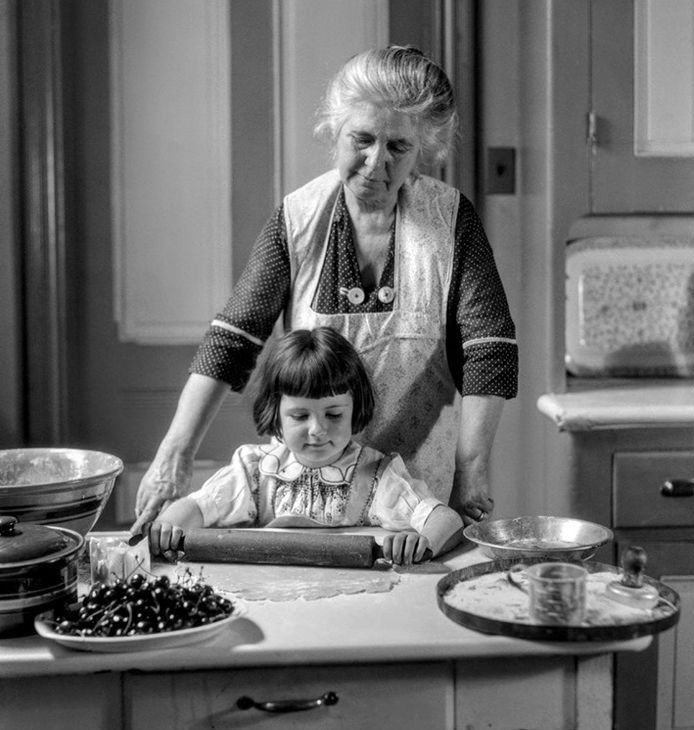
I like to think of the kitchen as our first emotional grammar.
As children, we learn by watching: a hand kneading dough, a spoon stirring the sauce, a plate that appears when we need comfort. Long before we read a recipe, we have already learned that cooking means being there.
Every gesture in the kitchen says: “I see you, I hear you, I thought of you.
”Every dish carries with it a memory: a grandmother, a home, a journey, a love story, a distance bridged by something warm on a plate.
My point of view: an act of love and atmosphere
This is where my idea of cuisine begins.
For years I have been creating tables, dinners and experiences where food is not the only protagonist, but enters into dialogue with memory, place and the atmosphere that forms around the table.
For me, cooking means creating a safe, welcoming space where people can recognize themselves, open up and tell their stories. To share, and to share themselves.

When I design a menu or imagine a mise en place, I always ask:
How will this make people feel?
What story will this evening tell?
What new memory will be born around this table?
The sentence that guides my work is:
“Intimacy, excellence and atmosphere: my way of cooking is a true act of love.”
Every dinner can become a small shared heritage.
Every table can be the place where a culture quietly renews itself.
And you, if you look back at your own story, which dish taught you that cooking is, first of all, a way of loving?


Comments